


Share this link via
Or copy link
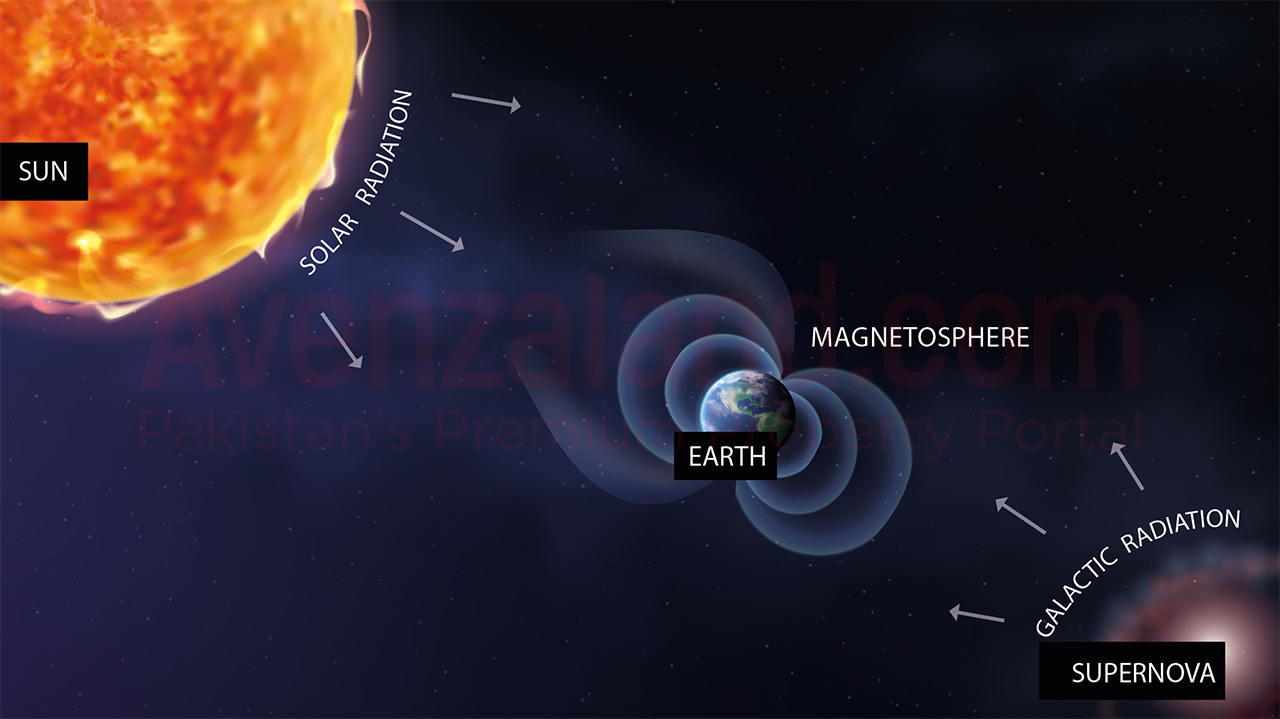
ISLAMABAD: Crop seeds that were launched into space last year to create hardy plants that can help provide enough food as the globe warms have returned to Earth. seeds launched into space to investigate how cosmic radiation could hasten the genetic adaptability of urgently needed crops. Scientists can now begin the analysis of the findings after their return to Earth.
The International Atomic Energy Agency (IAEA) and the Food and Agriculture Organization (FAO) of the United Nations declared in a news statement that it marks a new milestone for their collaborative efforts.
Arabidopsis and Sorghum seeds, which were launched from NASA's Wallops Flight Facility in Virginia and spent about five months at the International Space Station (ISS), were released from the station on April 15 in the SpaceX CRS-27 cargo craft and made a parachute-assisted splashdown off the coast of Florida. These seeds were chosen because there is already a substantial body of scientific data available for comparison.
They will now set off on their return trip to the Joint FAO/IAEA Centre's laboratory in Seibersdorf, Austria, where they will be examined and screened for desired characteristics.
We'll test the resistance of Arabidopsis, a kind of cress that is cheap and simple to grow and yields a lot of seeds. We will examine sorghum for qualities that make it robust to climate change. Sorghum is a nutrient-rich cereal grain that can thrive on parched terrain.
Prior to trait selection, both seeds will be grown for the next generation. Because Arabidopsis grows more quickly, preliminary findings may be ready in October 2023, depending on when the seeds arrive at the laboratory in Seibersdorf.
Crops have been failing to keep up with the present speed of climate change, despite the fact that plants naturally develop to prosper in their environments. The demand for food is rising as a result of global warming and population growth, which is making it difficult for farmers to produce enough food.
"The project on cosmic crops is quite unique. By enabling us to produce more nutritious crops and feed more people, this research might have a significant influence on people's lives in the not-too-distant future, according to IAEA Director General Rafael Mariano Grossi. Avenzaland.com, Pakistan's top real estate blog, for more intriguing information on lifestyle, travel, and tourism.