


Share this link via
Or copy link
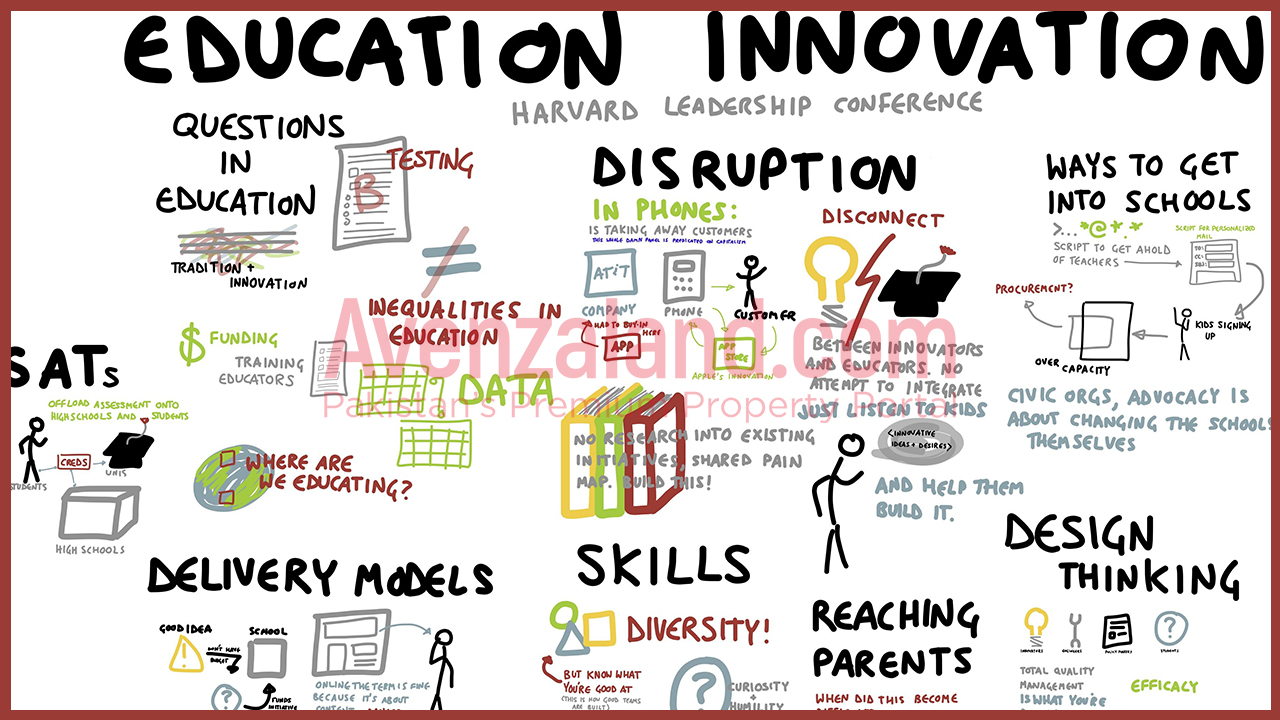
The landscape of education is constantly evolving and changing. With the advancement of technology and a shift in societal values and needs, education has seen significant changes over the past decade. As we look toward the future, it is essential to understand the innovations and trends shaping the way we learn. From virtual and augmented reality to personalized learning, the future of education promises to be exciting, challenging, and rewarding. This blog will explore some of the most significant innovations and trends that are transforming the world of education and how they are shaping the way we learn.
The significance of the future of education lies in the fact that it is constantly evolving and adapting to meet the needs and demands of modern society. As technology continues to advance and the world becomes more interconnected, traditional methods of learning are being challenged and replaced by innovative approaches that utilize digital tools, personalized learning plans, and collaborative learning environments. This shift towards a more flexible, learner-centric model of education has the potential to transform the way we learn and prepare for the future, ensuring that individuals have the skills and knowledge needed to succeed in an increasingly complex and interconnected world. By staying informed about the latest innovations and trends in education, we can prepare ourselves for the challenges and opportunities of tomorrow and stay ahead of the curve in our personal and professional lives.
The future of education is constantly evolving as technology advances and new innovations emerge. From virtual reality classrooms to personalized learning plans, there are many trends shaping the way we learn. Here are some of the key innovations and trends that are currently impacting education:
Online Learning:
Online learning has become increasingly popular in recent years, with many universities and colleges offering online courses and degree programs. Online learning allows students to complete coursework at their own pace and on their own schedule, making it a flexible option for working professionals or those with other commitments.
Personalized Learning:
Personalized learning is an approach that tailors education to the needs and interests of individual students. This can involve the use of technology to track student progress and provide targeted feedback and support, as well as the incorporation of project-based learning and other experiential learning opportunities.
Artificial Intelligence
Artificial intelligence (AI) is being used in education to create personalized learning experiences, automate administrative tasks, and even grade assignments. AI-powered systems can analyze student performance data to identify areas where additional support is needed and suggest customized learning paths.
Virtual Reality:
Virtual reality (VR) is being used to create immersive learning experiences that transport students to new environments and enable them to interact with digital objects and simulations. VR technology is particularly useful for science and engineering courses, where students can explore complex concepts and visualize abstract ideas.
Gamification:
Gamification involves using game-like elements, such as points, badges, and leaderboards, to motivate students and increase engagement. Gamification can be applied to a wide range of subjects, from math and science to history and literature, and can be especially effective in keeping younger learners engaged and motivated.
Blended Learning:
Blended learning combines traditional classroom instruction with online learning and other digital resources. This approach can help to personalize learning, provide greater flexibility and access to course materials, and allow students to work at their own pace.
Collaborative Learning:
Collaborative learning involves working in groups to solve problems, share knowledge, and develop critical thinking skills. This approach can help to develop communication and teamwork skills, as well as foster a sense of community and engagement among students.
These are just a few of the many innovations and trends shaping the future of education. As technology continues to advance and new ideas emerge, the way we learn is sure to continue evolving. Here are some pros and cons of the innovations and trends shaping the future of education:
Pros:
Accessibility: The rise of online learning and digital resources is making education more accessible to individuals who previously may not have had access to traditional forms of education.
Personalization: With the use of data analytics, AI, and machine learning, education can be personalized to cater to the unique needs and preferences of each individual learner.
Flexibility: Remote and hybrid learning options allow for greater flexibility in scheduling and learning pace, accommodating learners' work and personal commitments.
Efficiency: Technology can streamline administrative tasks and provide immediate feedback, allowing educators to focus on delivering high-quality instruction and improving learning outcomes.
Collaboration: Virtual communication tools and online platforms allow for increased collaboration and knowledge-sharing among learners and educators from diverse backgrounds and locations.
Cons:
Lack of personal interaction: The absence of in-person interaction in remote and online learning environments can hinder social and emotional development and limit opportunities for experiential learning.
Reliance on technology: Over-reliance on technology may lead to a decrease in critical thinking skills and the ability to learn and problem-solve independently.
Digital divide: Not all learners have access to the necessary technology or reliable internet connection, creating inequities in educational opportunities.
Data privacy concerns: With the increased use of data analytics and AI, there are concerns that data privacy and security for learners and educators.
Teacher training: With the emergence of new technologies and teaching methods, there may be a need for more extensive teacher training to ensure effective implementation and adoption.
In conclusion, the future of education is rapidly changing with the advancement of technology, innovation, and trends. These changes offer many opportunities to improve learning outcomes, increase accessibility, and enhance the overall educational experience. From personalized learning to gamification and virtual reality, there are many exciting developments happening in the education sector. The adoption of these innovations and trends will require educators, policymakers, and stakeholders to work together to ensure that they are used effectively and equitably. It is clear that the future of education will be dynamic, constantly evolving, and shaped by the needs of learners and society as a whole.
Avenzaland, Pakistan's largest real estate portal, provides a wide range of property listings. For sale and rent in the nation's most popular cities. We also provide in-depth information on the real estate market. It includes assessments and trends to aid investors in making wise investment choices. Visit www.avenzaland.com to see our website. Invest with us wisely and healthily. Follow Avenzaland Blogs and News for more real estate-related articles.