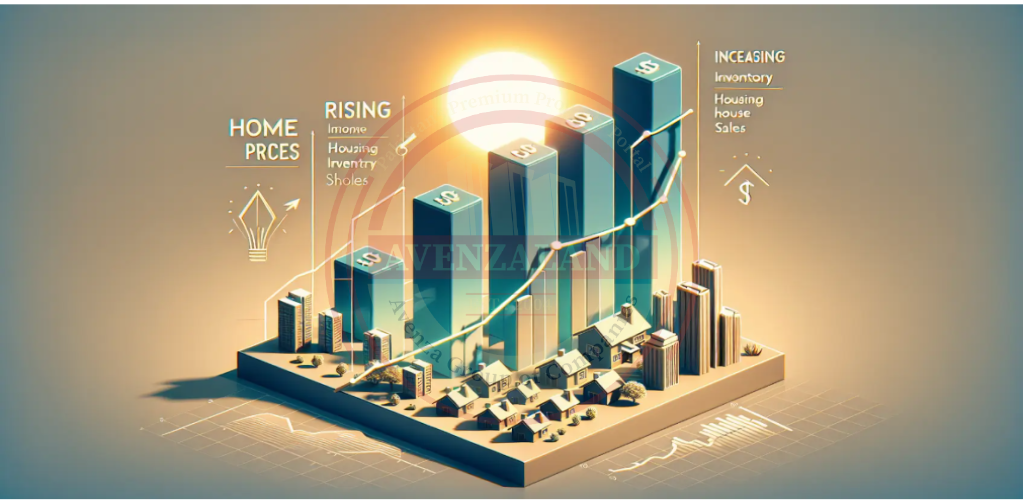
U.S. Housing Market Predictions and Trends for 2025-2029
The U.S. housing market is at a pivotal moment, with several shifts expected in the next few years. Whether you're a prospective buyer, seller, or investor, understanding the key trends, economic influences, and market predictions can help navigate the changes. In this blog, we will delve into the most significant housing market forecasts for 2025, 2026, and beyond, exploring how economic factors, demographic shifts, and policy changes are reshaping the real estate landscape.
Current State of the U.S. Housing Market (2025)
Slow Housing Supply Growth Amid Inventory Shortages
The U.S. housing market in 2025 is poised for growth despite some challenges. The housing supply is expected to rise slowly, as builders begin to catch up with demand. However, inventory shortages are still a major issue in many areas, particularly for affordable homes. The trend towards more home sales in 2025 will likely be driven by stabilizing mortgage rates and growing consumer confidence, as long-term rate fluctuations show signs of calming.
Mortgage Rate Stabilization and Its Impact on Buyers
Mortgage rates, which have fluctuated significantly in recent years, are projected to stabilize around 6% by the middle of 2025. This stability is essential for prospective buyers, who have faced rising costs due to unpredictable mortgage rates. However, rates could climb if inflation persists or if the economy faces unexpected hurdles, which could affect the affordability of homeownership for many Americans.
Economic Conditions Shaping the Housing Market
Economic conditions will also play a significant role in shaping the housing market. As the U.S. economy continues to recover from the disruptions of the COVID-19 pandemic, factors like inflation, wage growth, and job stability will influence consumer purchasing power and demand for homes. The housing market's performance will depend on how well these economic indicators evolve over the coming months.
Key Trends and Predictions for the U.S. Property Market (2025-2026)
Home Sales Growth Forecast for 2025-2026
Looking ahead to 2025 and 2026, the U.S. housing market is expected to witness several key trends. One of the most significant predictions is that home sales will increase by around 9% in 2025, as more buyers return to the market, encouraged by stabilizing mortgage rates and easing supply constraints. In 2026, home sales could surge further, with an expected increase of 13%. This trend will be driven by improving economic conditions, greater access to credit, and a return to some level of housing affordability.
Moderate Home Price Increases Expected
Home prices will continue to rise at a moderate pace, with a projected 2% increase in both 2025 and 2026. This price growth is expected to be more sustainable than the rapid appreciation witnessed in previous years, which often led to affordability concerns. However, certain markets—particularly in cities with high demand, such as New York, Los Angeles, and Miami—may see sharper increases in home prices due to ongoing population growth and limited housing supply.
Regional Housing Trends: Suburbs vs. Cities
Regional housing trends will vary across the U.S. As remote work becomes more entrenched, certain suburban and rural areas are expected to experience increased demand, while urban centers may see slower growth. Cities with robust economies, strong job markets, and diverse industries will continue to be attractive to homebuyers, though the "urban flight" trend witnessed during the pandemic could persist for some time.
Five-Year Housing Market Outlook (2025-2029)
Balanced Growth and Slow Increase in Home Sales
The five-year outlook for the U.S. housing market suggests a more balanced and moderate growth trajectory. Sales of existing homes are expected to increase slowly, as buyers adapt to higher prices and mortgage rates. New home construction will play a crucial role in bridging the gap between supply and demand, particularly in regions where the inventory of existing homes remains tight. Builders are likely to focus on developing homes that meet the needs of first-time buyers and those seeking more affordable options.
Mortgage Rate Predictions and Economic Impact
Mortgage rates will likely hover between 6% and 7% throughout the next few years, unless an economic downturn prompts the Federal Reserve to lower rates. A potential recession could cause rates to dip temporarily, leading to a short-term spike in home sales. However, it’s important to recognize that these shifts in mortgage rates are tied to broader economic trends, which remain unpredictable.
Economic Conditions Driving Long-Term Housing Trends
Economic conditions, such as job growth, wage inflation, and overall consumer confidence, will have a significant impact on the housing market's long-term trajectory. A healthy job market, combined with rising wages and growing consumer confidence, will drive homebuyer demand. On the other hand, inflationary pressures, high debt levels, or political instability could create challenges for the market.
Factors Shaping the Future of the U.S. Property Market
Wealth Gap Between Homeowners and Renters
Several factors will influence the direction of the U.S. property market in the coming years. One of the most significant is the growing wealth gap between homeowners and renters. Homeownership continues to play a critical role in wealth accumulation, and this financial divide is expected to widen further. Homeownership allows families to build equity, while renters face stagnant wages and rising rental prices. As housing becomes more expensive, the wealth disparity between those who own homes and those who rent will become more pronounced.
Impact of New Real Estate Policies and Commissions
In addition, new policies related to real estate commissions and MLS (Multiple Listing Service) access will reshape how homes are bought and sold. Some regions may see increased transparency and reduced commission fees, benefiting both buyers and sellers. However, these changes will vary across states, depending on local laws and real estate practices.
Climate Risks Affecting Home Valuations
Climate risks are another emerging factor in home valuations. In regions prone to natural disasters, such as hurricanes, wildfires, or flooding, property prices are expected to reflect the increased risks. Insurance costs will rise in some areas, and homes in high-risk zones may see their values decline. Homebuyers will need to consider the environmental impact and long-term sustainability of their property investments.
Notable Market Shifts in 2025
Increase in Home Sales in 2025
Several notable market shifts are expected in 2025. First, there will likely be an uptick in home sales compared to 2024, as mortgage rates stabilize and more buyers enter the market. As affordability improves, especially for first-time homebuyers, demand for homes will increase. This will be a pivotal year for buyers looking to take advantage of more favorable conditions.
Renter’s Market Trends in 2025
2025 will also be a "renter’s market," particularly in regions where rent prices have outpaced home price growth. With more people staying in rental properties due to financial constraints or lifestyle choices, rental markets will remain strong in major cities and metropolitan areas. However, the long-term trend of rising rental prices may drive more individuals to explore homeownership as an alternative.
Gen Z's Impact on Homeownership
One of the most intriguing shifts in the housing market will be the impact of Gen Z. As this generation comes of age and enters the housing market, they are likely to redefine traditional concepts of homeownership. Many Gen Z individuals may prioritize renting or seeking flexible housing options, as they place greater value on mobility and experiences over property ownership.
Predictions for Specific Market Changes
Consolidation of the Real Estate Industry
The real estate industry itself will also undergo significant changes in the next few years. The industry is expected to consolidate, with larger real estate firms and tech-driven platforms gaining market share. Smaller, independent agencies may struggle to compete as technological advancements and data-driven platforms revolutionize the way properties are bought, sold, and financed.
Urban Revival in Blue Cities
Additionally, urban revival will be a key trend in many "blue cities." Local governments will focus on reversing the population flight to suburban areas by offering incentives for businesses and residents to return to urban centers. As part of this effort, cities will invest in infrastructure, green spaces, and affordable housing developments to make urban living more appealing.
Impact of Relaxed Construction Regulations
The relaxation of construction regulations is another prediction that could have a major impact on the housing market. As zoning laws become more flexible, developers will have more freedom to build affordable homes, especially in high-demand areas where space is limited. These changes may help ease inventory shortages in key urban and suburban regions.
Related Articles: Read More
- How Canadian Citizens Can Secure Mortgages in the U.S.
- Effective Strategies for Commercial Property Planning
- Home Loans USA
Final Thoughts
The U.S. housing market in 2025-2029 will be marked by slower, more sustainable growth. Home prices are expected to rise modestly, and mortgage rates will stabilize, creating a more balanced environment for buyers and sellers. Regional trends, the influence of Gen Z, and the growing wealth gap between homeowners and renters will continue to shape the market. While there are many uncertainties ahead, understanding these key trends and predictions will help you make informed decisions in the real estate landscape.
FAQs
1. Will home prices rise in 2025?
Yes, home prices are expected to rise modestly, with a predicted increase of about 2%.
2. What will mortgage rates look like in 2025?
Mortgage rates are expected to stabilize around 6%, but could vary depending on economic conditions.
3. Will there be a housing shortage in 2025?
While inventory shortages are expected to ease slightly, supply will still be constrained in some areas.
4. How will Gen Z impact the housing market?
Gen Z is expected to prioritize renting and flexible housing, potentially shifting the traditional notion of homeownership.
5. What factors will influence home prices in the coming years?
Economic conditions, climate risks, and new real estate policies will all play a significant role in shaping home prices.


