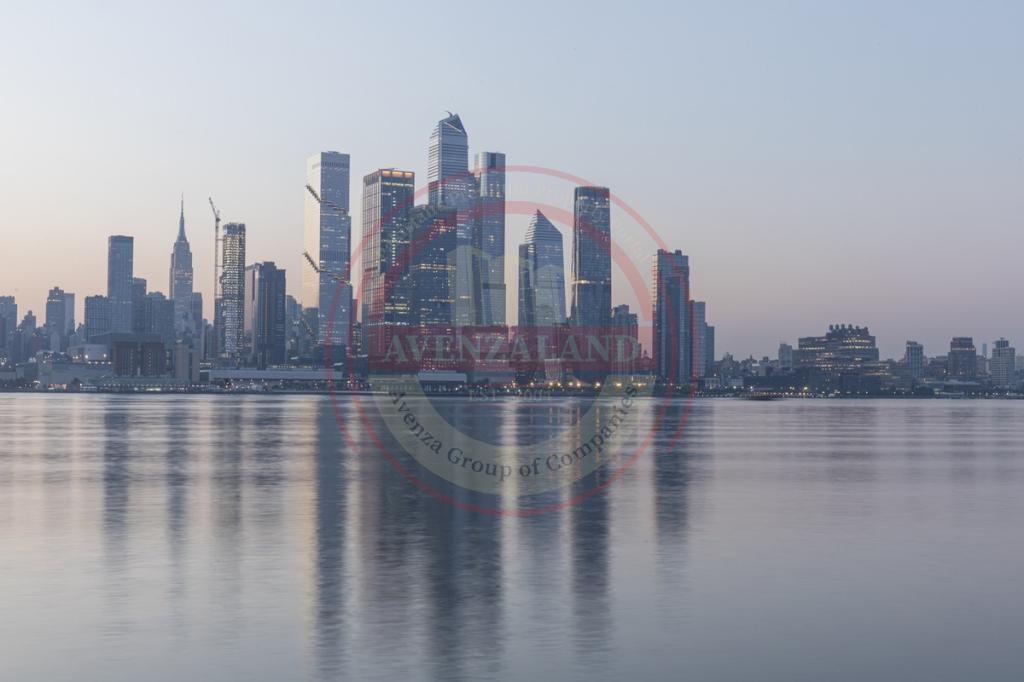
Overview of Canada’s Commercial Property Market in the U.S.
Canada’s commercial property market has seen significant interest from both domestic and international investors. With a stable economic environment and growing demand for urban development, Canadian commercial real estate has become a vital player in the global market, especially in the United States. Canadian properties, particularly those located in major cities such as Toronto and Vancouver, continue to attract cross-border investment. In the U.S., this growing interest has transformed the landscape of commercial property investment and development, making it a focal point for both institutional and private investors.
- The current market performance
The current market performance reflects resilience despite global economic challenges. Real estate in prime urban locations remains a lucrative investment, backed by a strong demand for office spaces, retail developments, and mixed-use properties. Market trends highlight an evolving demand for sustainable and technologically advanced commercial properties. These factors have set the stage for steady growth, with long-term projections indicating continued expansion in this sector.
- Key Growth Drivers in the Industry
Technological advancements have revolutionized how commercial properties are designed, built, and operated. From the adoption of smart building technologies to innovative energy-efficient solutions, these advancements have created new investment opportunities. As urbanization accelerates, the demand for more infrastructure, office spaces, and retail centers continues to rise. Cities like Toronto and Montreal have experienced significant growth, and the trend is expected to continue, driving investment in commercial real estate.
- Demographic changes
Demographic changes, including population growth and shifts in consumer behavior, also influence the demand for specific types of commercial properties. An aging population, for instance, calls for more healthcare-related facilities and senior housing developments, while millennials’ preferences are fueling the rise of tech hubs and shared workspaces. Additionally, environmental concerns and sustainable building practices have become key drivers. The Canadian government’s commitment to reducing carbon emissions has prompted developers to adopt green building technologies, making the market more appealing for eco-conscious investors.
Challenges Confronting the Commercial Real Estate Sector
While the commercial property market in Canada remains robust, it is not without challenges. Economic uncertainty, particularly due to global financial fluctuations and trade uncertainties, poses risks to real estate investments. Rising interest rates and fluctuating currency values also impact the cost of financing and return on investment. Developers must navigate these uncertainties with careful financial planning and adaptability.
- Regulatory Hurdles
Regulatory hurdles also present challenges, particularly for foreign investors. Different jurisdictions have varying laws regarding zoning, land acquisition, and property taxes, which can complicate investment decisions. In addition, there are increasing pressures around environmental sustainability. Investors and developers are now tasked with meeting stricter energy efficiency standards and implementing eco-friendly building practices. Rising construction costs and supply chain disruptions have also been significant concerns in recent years. The cost of materials, labor shortages, and delays in shipping have affected both new developments and renovations. These factors can reduce profit margins and affect project timelines.
Shaping the Future of Commercial Properties in Canada
The future of commercial properties in Canada looks promising, with the integration of smart building technologies playing a key role. Properties with advanced energy management systems, security automation, and integrated digital infrastructures are expected to dominate the market. Mixed-use developments are also gaining traction, as they provide flexibility and cater to the growing need for multifunctional spaces.
- Government initiatives
Government initiatives focused on urban regeneration and infrastructure development will continue to drive the commercial real estate market. With an increased focus on sustainable development, the future of commercial properties in Canada will see the rise of green buildings that prioritize energy efficiency and low environmental impact. This is not only beneficial for the planet but also for investors seeking long-term value. The demand for flexible workspaces is also expected to increase, as businesses continue to embrace remote work models. Commercial spaces that offer adaptable layouts, shared facilities, and technological integration will likely be in high demand, providing unique opportunities for investors.
The Significance of Commercial Projects in Canada: A Major Business Segment
Commercial projects in Canada are a cornerstone of the economy. These developments contribute significantly to local economies, provide employment opportunities, and create a robust infrastructure for businesses. Institutional structures such as corporate headquarters, healthcare centers, and educational facilities play an essential role in shaping the country’s urban environment.
- key driver of economic growth
The real estate sector in Canada has been a key driver of economic growth, creating thousands of jobs in construction, design, and property management. Investments in commercial real estate contribute to the development of essential services and enhance the quality of life for residents. Moreover, commercial real estate development fosters an environment conducive to business growth, attracting both local and international companies.
- Opportunity for long-term returns
For developers and investors, commercial properties represent an opportunity for long-term returns. Well-located office buildings, retail complexes, and industrial parks provide steady cash flow through leasing, while also appreciating in value over time. This makes them an attractive option for institutional investors, pension funds, and real estate investment trusts (REITs).
Noteworthy Commercial Projects in Canada
Several landmark commercial projects in Canada have set new standards for design, functionality, and sustainability.
- Among them is The Bow in Calgary, which combines modern architecture with sustainable design. This skyscraper not only offers office spaces but also promotes a work-life balance with green spaces and advanced technological features.
- The Edge Office Building in Toronto is another notable development, emphasizing eco-friendly construction and energy-efficient technologies. The building is designed to reduce energy consumption, offering a significant advantage for businesses seeking sustainable office spaces.
- Bay Adelaide Centre in Toronto, with its cutting-edge design and top-tier amenities, stands as a hub for commercial activity, attracting a wide range of tenants from various industries. Projects like these contribute to the global recognition of Canada’s commercial real estate market.
Top Commercial Projects in the United States
The U.S. remains a significant market for commercial properties, with several iconic developments setting the standard for excellence. 110 North Wacker Drive in Chicago, for example, offers state-of-the-art office spaces, while The Spiral in New York represents a new frontier in commercial design with its unique spiral shape and innovative use of green spaces.
Other notable projects
Other notable projects include Zeppelin Station in Denver, which combines office spaces with retail and entertainment venues, and Domino Sugar Refinery in Brooklyn, a prime example of adaptive reuse in urban development. In addition, projects like The Tennessee State office building and Ascendium Education Group headquarters are redefining the U.S. commercial property landscape, integrating sustainability and modern architectural trends.
Related Articles: Read More
- Effective Strategies for Commercial Property Planning
- "Dubai Real Estate Trends, Opportunities, and Growth Insights"
Final Thoughts
Canada’s commercial real estate market offers immense potential for investors, driven by technological innovation, demographic shifts, and government-backed infrastructure projects. With key cities like Toronto, Vancouver, and Montreal seeing consistent demand for commercial space, this market presents excellent growth opportunities. However, challenges such as regulatory issues, economic uncertainties, and rising construction costs must be carefully navigated. The future of commercial properties in Canada will be shaped by sustainability, technology, and changing consumer needs. Investors who adapt to these trends will be well-positioned for success in the long term. With ongoing urban developments and the rise of flexible, smart spaces, Canada’s commercial property market remains an attractive prospect for both local and international investors.
FAQs
What Are the Key Factors Driving Growth in Canada’s Commercial Property Market?
Technological advancements, sustainable development, urbanization, and economic stability are major drivers.
What Challenges Do Investors Face in Commercial Real Estate?
Economic uncertainties, rising construction costs, regulatory complexities, and supply chain disruptions.
How Can Commercial Properties Contribute to a Sustainable Future?
By integrating green building technologies, energy-efficient designs, and environmentally conscious practices.
Which Cities in Canada Offer the Best Investment Opportunities?
Toronto, Vancouver, and Montreal offer strong growth prospects with high demand for commercial spaces.
What Are the Most Noteworthy Commercial Projects in the U.S.?
Projects like 110 North Wacker Drive, The Spiral, and Zeppelin Station are shaping the U.S. commercial real estate market.


